

Pronunciation
CHAR-kol - Pronunciation guide
Brand Names
- Acti Char Gel
- Activated Charcoal Gel with Electrolytes
Description
Activated charcoal is a highly absorbent, gritty black material created by carbonizing organic matter under anaerobic conditions and activating the material with oxidizing gases, such as steam or high air temperatures. The oxidation process erodes the charcoal's internal surfaces and increases its absorption capacity by creating an internal network of fine pores.
Usage
Activated charcoal is known as a universal antidote and detoxifier, used with horses, humans, and other animals. As a general rule, a large dose of activated charcoal should be given as soon as possible after ingestion of any toxic substance, toxic plant, toxic insect such as blister beetle, or other health-threatening toxic substance.
Activated charcoal helps prevent poison from being absorbed from the stomach into the bloodstream and body. Sometimes, several doses of activated charcoal are needed to treat severe poisoning.
Activated charcoal is often combined with sorbitol, which acts as a laxative to stimulate the bowels and help move any toxic substances through the system.
Dosage and Administration
| Charcol (activated) | ||||
|---|---|---|---|---|
| Method | Dosage (click row for calculator) |
Concentration | Period | Duration |
| Oral1 | 300 cc (full tube) | 100 mg/cc | Every 1 to 3 hours | As needed |
Notes:
|
||||
Gastric lavage and bowel irrigation are often a component of any treatment involving poisoning
Side Effects
Rarely, constipation may occur.
Precautions
Activated charcoal in the form of tablets or capsules should not be used in cases of poisoning. Small gram bottles of dry powder that require adding water or premixed bottles should be used according to manufacturer's or veterinarian's directions.
Any time poisoning is suspected, a veterinarian should be contacted immediately. Acute poisoning often represents a diagnostic challenge. Although identification ultimately may benefit the affected animal, treatment should be started as soon as poisoning is suspected, along with preventing further ingestion of any toxic substance.
Provisions should be made for maintenance of respiration, cardiovascular function, central nervous system support, and control of body temperature. If topical exposure is suspected, skin decontamination should be started immediately.
Activated charcoal is less effective or ineffective in cases of poisoning by strong acids, bases, metals, and inorganic minerals, such as sodium, iron, lead, arsenic, iodine, fluorine and boric acid, alcohol, methanol and acetone, hydrocarbons, such as petroleum distillates, and plant hydrocarbons, such as pine oil.
Activated charcoal absorbs food nutrients, vitamins, and minerals, but this is not a matter of concern in cases of poisoning.
Interactions
Activated charcoal is not recommended for use in cases of ingestion of corrosive agents, such as alkalis, gasoline, and acids, since it will not prevent these poisons from being absorbed into the body.
Sorbitol can cause diarrhea, so it should not be given with every dose.
Overdose
No information is available regarding overdose.
Images
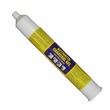 Charcoal (Activated) Gel Tube