

Pronunciation
fu-RO-se-mide - Pronunciation guide
Brand Names
- Disal Injection
- Disal Tablets
- Furoject
- Furosimide 1% Syrup
- Furosimide Tablets
- Furotabs
- Lasix
- Salix
Description

Furosimide is the most commonly used diuretic in the horse. It increases urine production and decreases the amount of fluid within tissues and organs of the horse's body. It also acts upon the kidneys, causing increased excretion of electrolytes and water.
Usage
Furosemide is used to treat pulmonary edema, some allergic reactions, and congestive heart failure. Some veterinarians prescribe furosemide for racehorses because it is thought to prevent or diminish the severity of exercise-induced pulmonary hemorrhage or bleeding from the lungs. This use is controversial.
Dosage and Administration
 Furosemide Furosemide |
||||
|---|---|---|---|---|
| Method | Dosage (click row for calculator) |
Concentration | Period | Duration |
| Oral | 1-2 mg/lb | 25 mg/tablet | Once or twice daily at 6 to 8 hour intervals | Until desired results are achieved |
| Oral | 1-2 mg/lb | 50 mg/tablet | Once or twice daily at 6 to 8 hour intervals | Until desired results are achieved |
| Intravenous or Intramuscular injection | 0.5-1 mg/lb | 50 mg/ml | Once or twice daily at 6 to 8 hour intervals | Until desired results are achieved |
Notes:
|
||||
Side Effects
Side effects include dehydration and loss of electrolytes. In some species, furosemide may negatively impact hearing and balance.
Precautions
Furosemide should not be given to animals with kidney failure, animals in a state of dehydration, or those likely to become dehydrated. It should be used with extreme caution in animals with electrolyte abnormalities or liver disease.
Furosemide is usually combined with other supportive cardiac drugs in therapy for congestive heart failure.
Use of furosemide during pregnancy has been shown to cause fetal deformities in other species. For that reason, furosemide should not be used during pregnancy, and only with extreme care during lactation.
Furosemide should be used with extreme care in foals because of potential problems with dehydration and electrolyte abnormalities.
Furosemide should not be used in older horses with kidney and liver functions that are not normal.
Use of furosemide is FDA approved for horses. U.S. law restricts this drug to use by or on the lawful written or oral order of a licensed veterinarian.
In those states that permit furosemide in racehorses, the dose and administration are highly regulated and the particular regulatory group should be consulted before the drug is used.
Interactions
When furosemide is given with corticosteroids, a greater risk of electrolyte abnormalities, including low blood potassium and calcium, exists.
Doses of aspirin may need to be lowered when furosemide is given.
Furosemide can change the response to a number of drugs used during general anesthesia. It is important that the surgeon is informed of the use of furosemide and of any other medications if the animal is to undergo surgery.
Furosemide increases the risk of kidney and ear damage from aminoglycoside antibiotics.
Combined use of furosemide and trimethoprim sulfa may cause a decrease in platelet count.
Overdose
Drug overdose with furosemide may cause dehydration and electrolyte imbalances. Chronic overdose may cause kidney damage. Signs include increased or decreased thirst and urination, lethargy, increased heart rate, gastrointestinal distress, seizures, collapse, and coma.
Images
 Furosemide Tablets
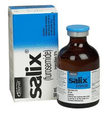 Salix Furosemide Injection