

Pronunciation
kee-to-PRO-fen - Pronunciation guide
Brand Names
- Ketofen
- Ketoprofen
Description
 Ketoprofen, a nonsteroidal anti-inflammatory drug (NSAID), works by inhibiting the body's production of prostaglandins and other chemicals that stimulate the body's inflammatory response. Although it does not speed healing or cure the underlying problem, ketoprofen can make the horse more comfortable while recuperating from infections and diseases characterized by musculoskeletal-related pain and inflammation.
Usage
Ketoprofen is a potent pain reliever, fever reducer, and anti-inflammatory medication. It is often prescribed for soft tissue injury, bone and joint problems, or laminitis. Ketoprofen is also prescribed to reduce or control fevers due to viral or bacterial infections. It is also used in the management of colic for protection from bacterial toxins.
Dosage/Administration
 Ketoprofen Ketoprofen |
||||
|---|---|---|---|---|
| Method | Dosage (click row for calculator) |
Concentration | Period | Duration |
| Intravenous injection | 1 mg/lb | 100 mg/ml | Daily | Up to 5 days |
Notes:
|
||||
Side Effects
When used at the recommended dose, side effects are uncommon. Ulceration of the gastrointestinal tract, a drop in the red blood cell count due to GI bleeding, kidney damage, and protein loss are less common side effects.
Precautions
Injection site reactions may occur with pain and swelling that may be relieved by warm compresses. Ketoprofen should not be used with horses that are allergic to aspirin. It should be avoided or carefully monitored in horses with liver or kidney disease or gastrointestinal problems. When used with other NSAIDs, care needs to be taken to avoid additive toxicity.
Ketoprofen is FDA approved for use in horses and is a prescription drug. U.S. federal law restricts this drug to use by or on the lawful written or oral order of a licensed veterinarian.
Ketoprofen is a regulated or prohibited substance in most sanctioned competitions. It is important to consult with individual regulatory groups in each case.
Interactions
Ketoprofen should not be combined with other anti-inflammatory drugs that tend to cause gastrointestinal ulcers, such as corticosteroids and other NSAIDs.
Ketoprofen should not be combined with anticoagulant drugs, particularly coumarin derivatives such as warfarin.
Overdose
Overdoses of ketoprofen can cause gastrointestinal ulcers, protein loss, and kidney and liver damage. Early signs of toxicity include loss of appetite and depression.
Images
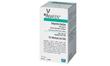 Anafen Ketoprofen Injection
 Ketoprofen Injection
Literature