

Pronunciation
ace-PRO-ma-zeen - Pronunciation guide
Brand Names
- AceProject
- Acepromazine Maleate Injection
- Acepromazine Maleate Injection, USP
- Acepromazine Maleate Tablets
- Acepromazine Maleate Tablets, USP
- Aceprotabs
Description
 Acepromazine has a depressant effect on the central nervous system, causing sedation, muscular relaxation, and an overall reduction in activity. The rapid action exerts an almost immediate calming effect, with a low order of toxicity, making it one of the most commonly used tranquilizers.
Usage
Acepromazine is a rapid-acting tranquilizer used as an aid for controlling fractious horses during examination, treatment, trailer loading, and transportation. Acepromazine is also commonly used in conjunction with local anesthesia for various surgical procedures, including castration, removal of skin tumors, ocular surgery, and neurectomy.
Acepromazine is sometimes prescribed for laminitis because it lowers blood pressure by dilating small blood vessels, thereby improving circulation in the hoof. Some veterinarians prescribe Acepromazine for horses that are prone to tie up as a preventive measure or as a part of treatment.
Dosage and Administration
 Acepromazine Acepromazine |
||||
|---|---|---|---|---|
| Method | Dosage (click row for calculator) |
Concentration | Period | Duration |
| Oral | 0.25-1.0 mg/lb | 10 mg/tablet | Treatment | NA |
| Oral | 0.25-1.0 mg/lb | 25 mg/tablet | Treatment | NA |
| Intramuscular injection | 2-4 mg/100lb | 10 mg/ml | Treatment | NA |
| Intravenous injection | 2-4 mg/100lb | 10 mg/ml | Treatment | NA |
Notes:
|
||||
Side Effects
Paralysis of the retractor penis muscle has been noted with the use of this class of tranquilizers. This risk should be considered prior to the administration of Acepromazine Maleate Injection to male horses. Dosage should be limited to the minimum amount necessary for the desired effect. Note that at the time of administration it is normal to observe the reversible protrusion of the penis. The irreversible paralysis of the retractor penis muscle may occur when a tranquilizer is used in conjunction with testosterone (or in stallions).
Precautions
Tranquilizers are potent central nervous system depressants and they cause marked sedation with a suppression of the sympathetic nervous system.
If given in excess, tranquilizers can result in depression and motor restlessness that may be amplified in animals that are sensitive to the treatment.
Tranquilizers are additive in action and will increase the effect of general anesthesia. Care should be taken when used in conjunction with general anesthesia, including administration of smaller doses and greater attention to metabolic response.
Animals that are exhibiting symptoms of stress, debilitation, cardiac disease, or shock also require additional care and attention when treated with tranquilizers.
Acepromazine Maleate Injection is detoxified in the liver and must be used with caution in animals with a history of liver dysfunction or leukopenia.
Rapid intravenous injection can result in hypotension, causing cardiovascular collapse. Accidental intracarotid injection can produce clinical signs, ranging from disorientation to convulsive seizures and death.
Acepromazine is FDA approved for use in horses and U. S federal law restricts this drug to use by a lawful written or oral order of a licensed veterinarian.
Acepromazine is a prohibited substance in most sanctioned competitions. It is important to check with the proper regulatory group.
Interactions
Acepromazine may increase the toxicity of organophosphates. Do not use Acepromazine Maleat Injection to control tremors that result from organic phosphate poisoning. Do not use with procain hydrochloride.
Overdose
Acute and chronic toxicity studies have shown a very low order of toxicity.
Images
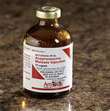 Acepromazine maleate injection
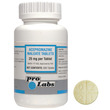 Acepromazine tablets
Literature
Product labels
- PromAce® InjectableAcepromazine Maleate Injection, USP (Boehringer Ingelheim Vetmedica, Inc.)
- Acepromazine Maleate Injection, USP (Vedco, Inc.)
- AceproJectAcepromazine Maleate Injection, USP (Butler Schein Animal Health)
- Acepromazine Maleate Injection, USP (Clipper Distributing Company, LLC.)
- Acepromazine Maleate Injection (Bayer HealthCare LLC)
- Recuvyra™(fentanyl)transdermalsolutionCII (Elanco Animal Health Co)
The drug labels on this website represent drug information listings as submitted to the FDA.The drug labels on this website have not been altered or modified by EquiMed. The drug labels on this website may not be the most current or identical to the current labels shipped with the product. Contact your veterinarian or the manufacturer for the latest information on this drug or medication prior to use.