
Pronunciation
nah-PROX-en - Pronunciation guide
Brand Names
- Aleve
- Anaprox
- E C Naprosyn
- Equiproxen 10% Solution
- Equiproxen Granules
Description
 Naproxen is perhaps the most effective nonsteroidal anti-inflammatory drug (NSAID) for the treatment of muscle pain and soft tissue injury in horses. In some cases, it is not as effective in treating joint injuries. Naproxen does not speed healing or cure the underlying problem, but will make the horse more comfortable while recovering. Naproxen is absorbed promptly, but full clinical response may not occur for several days.
Usage
Naproxen is used to treat lameness, musculoskeletal pain from soft tissue injury, muscle soreness, and bone and joint problems.
Dosage and Administration
 Naproxen Naproxen |
||||
|---|---|---|---|---|
| Method | Dosage (click row for calculator) |
Concentration | Period | Duration |
| Intravenous injection | 5 mg/kg | 100 mg/ml | Single loading dose injection1 | NA |
| Oral (granules) | 10 mg/kg | 8000 mg/packet | Twice daily | NA |
| Oral (tablets) | 10 mg/kg | 250 mg/tablet | Twice daily | NA |
| Oral (tablets) | 10 mg/kg | 375 mg/tablet | Twice daily | NA |
| Oral (tablets) | 10 mg/kg | 500 mg/tablet | Twice daily | NA |
Notes:
|
||||
Side Effects
Adverse reactions are uncommon in horses. Gastrointestinal problems, such as ulcers, diarrhea, and GI pain may occur in some horses. Rare side effects include kidney damage, bleeding disorders, and protein loss.
Precautions
Naproxen should be avoided or very carefully monitored in horses with liver disease, kidney disease, or gastrointestinal problems.
Naproxen was once sold as a veterinary product under the brand name Equiproxen. It is now available only as a human product. It is a prescription drug restricted to use by or on the lawful written or oral order of a licensed veterinarian.
Naproxen is a regulated or prohibited substance in most sanctioned competitions. It is important to check with the individual regulatory group.
Interactions
Naproxen should not be combined with other anti-inflammatory drugs that tend to cause GI ulcers, such as corticosteroids and other NSAIDs. It should not be combined with anticoagulant drugs, such as warfarin, and other coumarin derivatives or sulfa antibiotics.
Naproxen may decrease the diuretic activity of furosemide.
Overdose
Overdose of naproxen causes severe manifestations of the side effects and the animal will show early signs of toxicity, including loss of appetite, colic, and depression.
Images
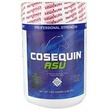 Naproxen Cosequin ASU Tablets