

Pronunciation
si-MET-ih-deen - Pronunciation guide
Brand Names
- Cimetidine Hydrochloride Solution
- Cimetidine Tablets USP
- Tagamet
Description
 Cimetidine is an anti-ulcer medication that works as a histamine H2 receptor antagonist and prevents the stomach from producing acid. It is also used in the treatment of benign melanomas in horses.
Usage
Cimetidine is used to treat equine gastric ulcers, often found in foals and race horses, which are two populations with a higher risk for gastric ulcers than other horses. After a diagnosis of ulcers, cimetidine is usually prescribed for two to three weeks to give the ulcers time to heal. Studies show that ulcers may not heal if horses remain in training or experience stressful conditions.
Cimetidine is sometimes prescribed as a precaution to be used with nonsteroidal anti-inflammatory drugs, corticosteroids, and other drugs that can cause gastric ulcers.
Cimetidine is also used to treat melanomas in horses, either alone or in combination with surgery or immunotherapy. The recommended duration of treatment is usually three months or more.
Dosage and Administration
 Cimetidine Cimetidine |
||||
|---|---|---|---|---|
| Method | Dosage (click row for calculator) |
Concentration | Period | Duration |
| Oral | 2.5 mg/kg | 200 mg/tablet | 3 or 4 times a day | NA |
| Oral | 2.5 mg/kg | 300 mg/tablet | 3 or 4 times a day | NA |
| Oral | 2.5 mg/kg | 400 mg/tablet | 3 or 4 times a day | NA |
| Oral | 2.5 mg/kg | 800 mg/tablet | 3 or 4 times a day | NA |
| Intravenous injection | 6.6-10 mg/kg | 150 mg/ml | 3 or 4 times a day | NA |
Notes:
|
||||
Dose Form: HCL injectable: 150 mg/ml
Tablets: 200 mg, 300 mg, 400 mg, 800 mg
Side Effects
Drug side effects are rare, but cimetidine should be used with caution or in smaller doses in horses with decreased liver or kidney function. In some cases, cimetidine has been associated with breathing difficulties and heart rhythm disturbances, but little is known about these cases.
Precautions
Cimetidine is not FDA approved for use with horses, but is a commonly used and accepted practice when lawfully prescribed by a licensed veterinarian. Use of cimetidine is forbidden in drug-free competition. Horse owners and handlers should check with a knowledgeable veterinarian and the individual regulatory group regarding rules for therapeutic use of cimetidine.
Interactions
Cimetidine may slow the metabolism of other drugs that are metabolized by the liver. Some veterinarians recommend separating oral doses of cimetidine from antacids, metoclopramide, and sucralfate. Cimetidine may also affect blood clotting in animals on warfarin.
Overdose
Overdoses of cimetidine have been associated with breathing difficulties and heart rhythm disturbances, but little is known about these cases.
Images
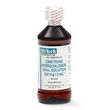 Cimetidine Hydrochloride Solution
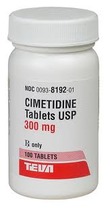 Cimetidine Tablets USP
Literature