
Pronunciation
hy-al-u-Ron-ik AS-id - Pronunciation guide
Brand Names
- Hyalovet
- Hylartin
- Hyvixc
- I-Drop Vet Plus
Description
 Normal joints have pads of cartilage protecting the ends of the bones that form the joint and a surrounding capsule lined by a membrane which is active in maintaining healthy joint functions.
Hyaluronic acid is a proteoglycan, an organic chemical composed of protein and carbohydrate molecules, and is manufactured by the synovial lining of the joint and by the cells that manufacture cartilage. Hyaluronic acid forms a thin coating on articular cartilage and is a component of joint fluid.
Usage
When joint injury causes inflammation or cartilage damage, and lessens the quality of the joint fluid, it can lead to degenerative joint disease. Hyaluronic supplementation becomes necessary to enhance healing. It has an anti-inflammatory effect in the joint and its use may help affect the metabolism of some circulating white blood cells when given intravenously.
It is thought to enhance healing by supporting connective tissue when used topically on wounds and in some soft tissue surgery.
Dosage and Administration
 Hyaluronic Sodium Hyaluronic Sodium |
||||
|---|---|---|---|---|
| Method | Dosage | Concentration | Period | Duration |
| Intra-articular injection1 | 2-4 ml 2 | 10 mg/ml | Once every 1 or 2 weeks | Not to exceed 2 injections per week for a total of 4 weeks |
Notes:
|
||||
Side Effects
An acute inflammatory reaction in the joint sometimes occurs. It is important to determine if this is a drug reaction or an infection. Some veterinarians add antibiotics to the hyaluronic acid when injecting the joint.
Precautions
Hyaluronic acid should not be used in infected joints. Close attention should be paid to sterile or aseptic technique when injecting joints. Injection should be avoided when the skin is damaged or blistered, or when other skin problems are present.
Excess joint fluid is usually drained or removed before intra-articular injection of HA.
Hyaluronic acid is FDA approved for use in horses and is a prescription drug. U.S. federal law restricts this drug to use by or on the lawful written or oral order of a licensed veterinarian.
HA is commonly used in competition horses, but may be forbidden during some drug-free competitions. It is important to check with the individual regulatory group.
Interactions
No drug interactions have been reported.
Overdose
Experimental overdoses have caused no adverse effect.
Images
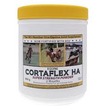 Cortaflex HA Super Powder IV 40mg
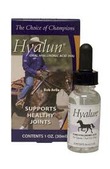 Hyalum Hyaluronic Acid Drops Intra-articular 10 - 40
Literature