
Pronunciation
lee-vo-theye-ROKS-een SO-de-um POW-der - Pronunciation guide
Brand Names
- Equi-Phar Thyrosyn Powder
- Equine Thyroid Supplement
- Thyroxine-L Powder
Description
 Levothyroxine sodium powder is a synthetically produced drug that is similar to the primary secretion of the horse's thyroid gland. It occurs as an odorless, light yellow to buff-colored, tasteless, hygroscopic powder that is slightly soluble in both water and alcohol. It can be injected, or the powder form may be mixed with corn syrup or molasses. The prescribed dose is fed in this form or used as a top dressing on grain.
Usage
Levothyroxine sodium powder is used in horses for correction of a low-circulating thyroid hormone condition known as hypothyroidism.
Dosage and Administration
 Levothyroxine Sodium Powder Levothyroxine Sodium Powder |
||||
|---|---|---|---|---|
| Method | Dosage (click row for calculator) |
Concentration | Period | Duration |
| Oral1 | 0.5-3 mg/100lb | 2.156 mg/g | Once or twice daily | NA |
Notes:
|
||||
Side Effects
When administered at an appropriate dose, no adverse effects have been reported.
Precautions
Bioavailability differences have been reported in different products. It is recommended that a reputable brand be selected, and that brands should not be indiscriminately chosen or changed.
Compliance with therapy as prescribed is very important and the horse should be monitored closely for symptoms of hyperthyroidism, including tachycardia, polyphagia, excitability, nervousness, and excessive panting.
Levothyroxine should not be used in horses with myocardial infarction, thyrotoxicosis, or untreated adrenal insufficiency. It should be used with caution in horses that have cardiac disease, diabetes, or are advanced in age.
Levothyroxine sodium is FDA-approved for use in horses. It is a prescription drug restricted to use by or on the lawful written or oral order of a licensed veterinarian.
In cases of competition horses, check with the proper individual regulatory body regarding use.
Interactions
Levothyroxine increases the actions of epinephrine, norepinephrine, and other catecholamines and sympathomimetics. It may increase the anti-coagulation effects in horses on warfarin. In horses with diabetes, thyroid hormones may alter insulin requirements. Levothyroxine may decrease therapeutic effects of digoxin or digitoxin.
Overdose
Chronic and/or acute overdosage will produce symptoms of hyperthyroidism, excitability, nervousness, and excessive panting. If this occurs, a veterinarian should be called. Treatment is supportive and symptomatic. Oxygen, artificial ventilation, cardiac glycosides, beta blockers, fluids, and antipyrexic agents may be necessary in extreme cases.
Images
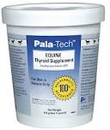 PalaTech Levothyroxine Sodium Powder
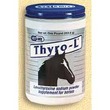 Thyro-L Levothyroxine Sodium Powder
Literature