

Pronunciation
fir-o-KOX-ib EH-kwuh-oks OR-uhl PAYST - Pronunciation guide
Brand Names
- Equioxx Oral Paste
- Previcox Chewable Tablets
Description
Firocoxib belongs to the coxib class of non-narcotic, non-steroidal, anti-inflammatory drugs. It is a white crystalline compound that is made into a paste to be used in a syringe in the treatment of horses with osteoarthritis.
Usage
Firocoxib is a cyclo-oxygenase-inhibiting, non-narcotic, non-steroidal anti-inflammatory drug (NSAID) with anti-inflammatory, analgesic, and antipyretic activity in horses. Osteoarthritis is a painful condition caused by progressive damage of cartilage and other parts of the joints that leads to decreases in activity and lameness. Although response varies from horse to horse, improvement can be seen in just a few hours in most horses according to the manufacturer.
Dosage and Administration
 Firocoxib Firocoxib |
||||
|---|---|---|---|---|
| Method | Dosage (click row for calculator) |
Concentration | Period | Duration |
| Oral | 0.1 mg/kg | 56.8 mg/syringe | Daily | 14 days |
| Intravenous injection | 0.09 mg/kg | 20 mg/ml | Daily | 5 days1 |
Notes:
|
||||
Side Effects
The most common side effects associated with firocoxib - Equioxx therapy involve erosions and ulcers of the mucosa and skin on the tongue, lips, and skin of the mouth and face. Gastrointestinal and renal toxicity may occur.
Precautions
Treatment should be discontinued if signs such as colic, abnormal feces, lethargy, or lack of appetite occur.
Since NSAIDs possess the potential to produce gastrointestinal ulcerations, use with other NSAIDs or corticosteroids should be avoided or closely monitored.
Safety of use in horses less than one year of age, horses used for breeding and pregnant or lactating mares has not been evaluated.
Firocoxib is FDA approved for oral use in horses only. Federal law restricts this drug to use by or on the order of a licenses veterinarian.
Check with the appropriate individual regulatory body regarding use in competition horses.
Interactions
Firocoxib should not be given with other NSAIDs including aspirin, phenylbutazone, diclofenac, ketoprofen or flunixin or systemic corticosteroids such as prednisone cortisone, dexamethasone or triamcinolone.
Notify your veterinarian regarding any medications or dietary supplements that your horse may be on so a determination can be made if other interactions might occur.
Overdose
Consult with your veterinarian if your horse receives more than the prescribed amount of firocoxib.
Images
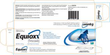 Equioxx Paste
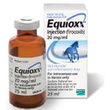 Equioxx Injection
Literature