

Pronunciation
teh-Truh-si-kleen - Pronunciation guide
Brand Names
- Liquamycin LA-200
- Terramycin Ophthalmic Ointment
Description
 Tetracycline antibiotics are a group of antibiotics that are effective against bacterial infections. Because they interfere with the normal growth cycle of the invading bacteria and prevent them from reproducing, the immune system of the horse is able to fight off the infection.
Usage
Tetracyclines come in several forms. Oxytetracycline is the most commonly used injectable tetracycline for horses and is the drug of choice for the treatment of Potomac Horse Fever and other diseases caused by Ehrlichia organisms. It is used in combination with sulfa antibiotics to treat bacterial respiratory infections such as pneumonia and pleuritis in racehorses and foals. Doxycycline is another tetracycline antibiotic prescribed by veterinarians.
Tetracycline is also available in topical ointments for use in eyes and on the skin.
Injectable oxytetracycline is occasionally given to young foals born with contracted tendons because it rapidly binds calcium, allowing for muscle and tendon relaxation.
Tetracycline antibiotics are used for respiratory disease in older foals.
Dosage and Administration
 Oxytetracycline Oxytetracycline |
||||
|---|---|---|---|---|
| Method | Dosage (click row for calculator) |
Concentration | Period | Duration |
| Intravenous injection1 | 10 mg/kg | 100 mg/ml | Daily | NA |
Notes:
|
||||
Side Effects
Tetracycline antibiotics can cause gastrointestinal problems, including diarrhea, which can be difficult to manage or even fatal. Because of this problem, some veterinarians are reluctant to use these drugs.
Precautions
Oxytetracycline is very irritating to tissue if any of the drug leaks out of the vein during or after intravenous injection.
Oxytetracycline should be diluted and injected very slowly. Some horses can have an allergic or anaphylactic-type reaction to oxytetracycline injection.
Tetracycline antibiotics should be used with care in animals with liver or kidney disease.
Tetracycline should not be used in dehydrated horses.
Tetracycline should be stopped immediately in any horse that develops diarrhea, and the horse should be isolated until feces are cultured for Salmonella, a contagious and potentially life-threatening bacteria that may cause the horse to develop a full-blown clinical disease following antibiotic administration.
Tetracycline antibiotics cross the placenta and are present in the mare's milk. This can retard bone growth in the fetus and discolor teeth.
Tetracycline drugs are not FDA approved for use with horses, but administration by veterinarians is a common and accepted practice. U. S. Federal law restricts these drugs to use by or on the lawful written or oral order of a licensed veterinarian.
Since tetracycline antibiotics are not generally permitted in drug-free competition, it is important to check with the individual regulatory group.
Interactions
Tetracycline antibiotics can interfere with the action of bactericidal antibiotics such as penicillin.
Antacids, sodium bicarbonate powder, mineral supplements and multivitamins containing bismuth, calcium, zink, magnesium, and iron can reduce the effectiveness of oral tetracycline antibiotics. Doses should be separated by at least two hours.
Tetracycline antibiotics may increase the effect of anticoagulant drugs such as warfarin.
Overdose
A small overdose usually has little effect, but may result in diarrhea. Prescription and treatment by an experienced veterinarian are essential.
Images
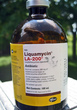 LA-200 Oxytetracycline