

Pronunciation
ni-tah-ZOX-an-ide - Pronunciation guide
Brand Names
- Navigator
Description
 Nitazoxanide is used by veterinarians to treat infections caused by a variety of parasites. Nitazoxanide is a "cidal" drug. In other words, it is a drug that kills the parasite. Nitazoxanide is FDA-approved for use to treat Sarcocysitis neurona, the protozoa that cause myeloencephalitis in horses. It is thought that nitazoxanide works by disrupting a stage of the parasite's energy metabolism, causing the parasite to die.
Usage
Nitazoxanide is a drug used in horses against a variety of parasites including protozoa, Giardia, nematodes, trematodes, and some bacteria.
Dosage and Administration
 Nitazoxanide Nitazoxanide |
||||
|---|---|---|---|---|
| Method | Dosage (click row for calculator) |
Concentration | Period | Duration |
| Oral (paste) | 11.36 mg/lb | 0.32 mg/mg | Days 1 through 5 | 5 days |
| Oral (paste) | 22.72 mg/lb | 0.32 mg/mg | Days 6 through 28 | 23 days |
Notes:
|
||||
Side Effects
This drug has a relatively high incidence of side effects. Horses being treated with the drug should be under a veterinarian's care and monitored closely. Common side effects include decreased appetite, fever, depression, increased or decreased gut sounds, diarrhea or decreased manure production, colic, laminitis, discolored urine, increased water consumption, swelling of the head or legs, and weight loss.
The most serious side effect is potentially fatal drug-related diarrhea or enterocolitis due to disruption and change in the gastrointestinal bacteria.
Horses being treated with nitazoxanide may have a treatment crisis during the first two weeks of administration. This usually involves a worsening of the neurological signs, fever, decreased appetite, and lethargy. When this occurs, the horse may need to be treated with anti-inflammatory drugs and will require close monitoring. In some cases, treatment will need to be stopped.
Adverse reactions are treated with a variety of drugs, including NSAIDs, DMSO, dexamethasone, probiotics, antibiotics, oral electrolytes, and mineral oil.
Precautions
In addition to being on the lookout for a treatment crisis during the early days of the treatment, it is important to monitor the horse's weight in order to dose this drug accurately, given its relatively narrow margin of safety.
Nitazoxanide should be used with caution in animals with decreased liver or kidney function.
Horses being treated with nitazoxanide should not be subjected to additional stress such as shipping, changes in stabling, diet, or exercise routine.
The medication is packaged with specific instructions that should be followed closely.
Nitazoxanide is FDA-approved for use with horses and is a prescription drug restricted to use by or on the written or oral order of a licensed veterinarian.
It is unlikely that nitazoxanide would be used in horses that are competing, but, in all cases, it would be important to check with the individual regulatory group.
Interactions
No specific drug interactions are noted in the literature.
Overdose
Overdose will result in exacerbated side effects noted above.
Images
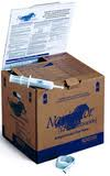 Nitazoxanide Navbox Injection
Literature